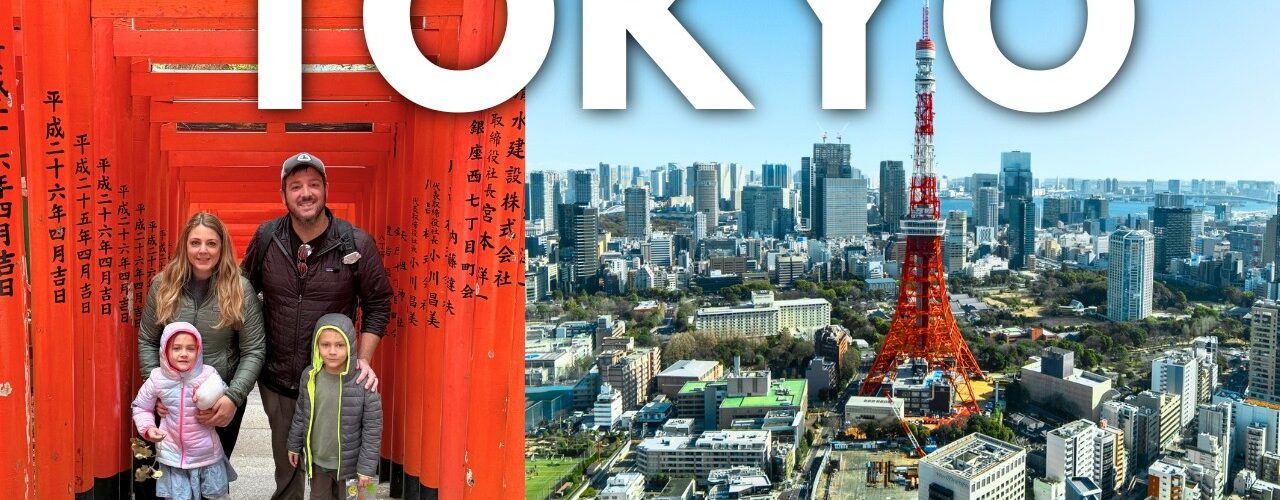
Tokyo is a city of dizzying contrasts. One moment you’re standing in the silent, forested grounds of a centuries-old shrine, and the next, you’re swept up in a neon sea of people at the world’s busiest intersection. If you only have four days to experience the Japanese capital, you have to make every second count. Here is a deep dive into how to navigate Tokyo’s best food, culture, and futuristic attractions.
Day 1
Senso-ji Temple (Asakusa)
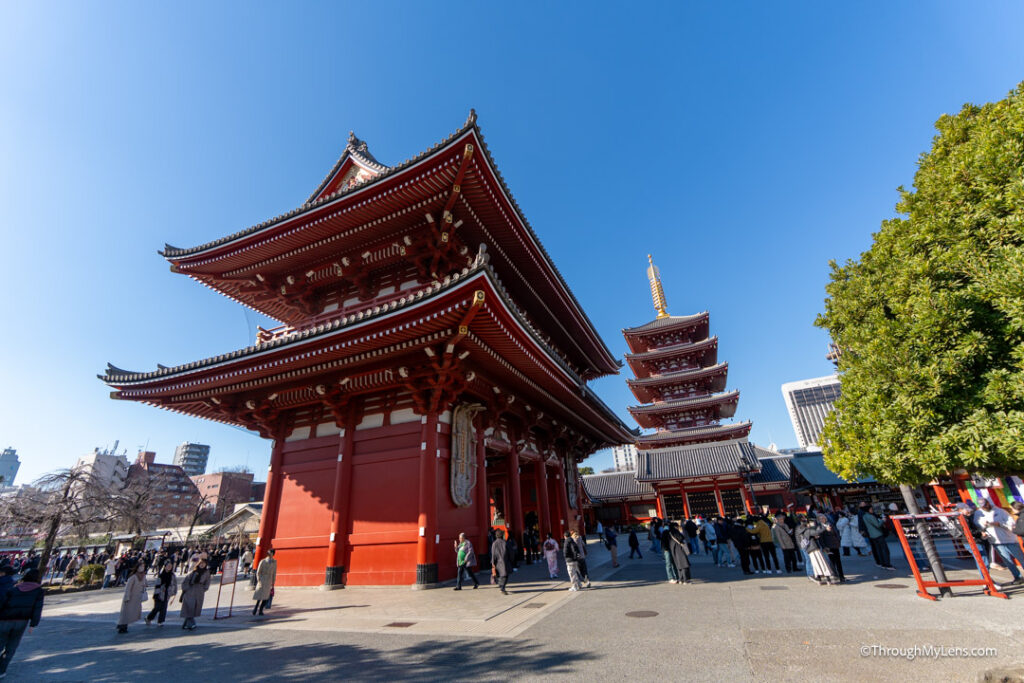
Asakusa is the heart of “Old Tokyo,” and Senso-ji is its crown jewel. As you enter through the massive red gate, you’ll walk down Nakamise-dori, a bustling shopping street that has been serving pilgrims for centuries. The temple itself is a vibrant display of Buddhist architecture, often filled with the scent of incense meant to provide healing and good fortune.
- Pro Tip: For the best view of the temple complex without the crowds, head across the street to the Asakusa Culture Tourist Information Center. The 8th floor observation deck is free and offers a stunning bird’s eye view of the temple and the Tokyo Skytree.
You can also shop, visit the pig cafe and have lunch near the temple. It would be easy to spend a half day here and check out the video to see what we did.
teamLab Planets (Toyosu)
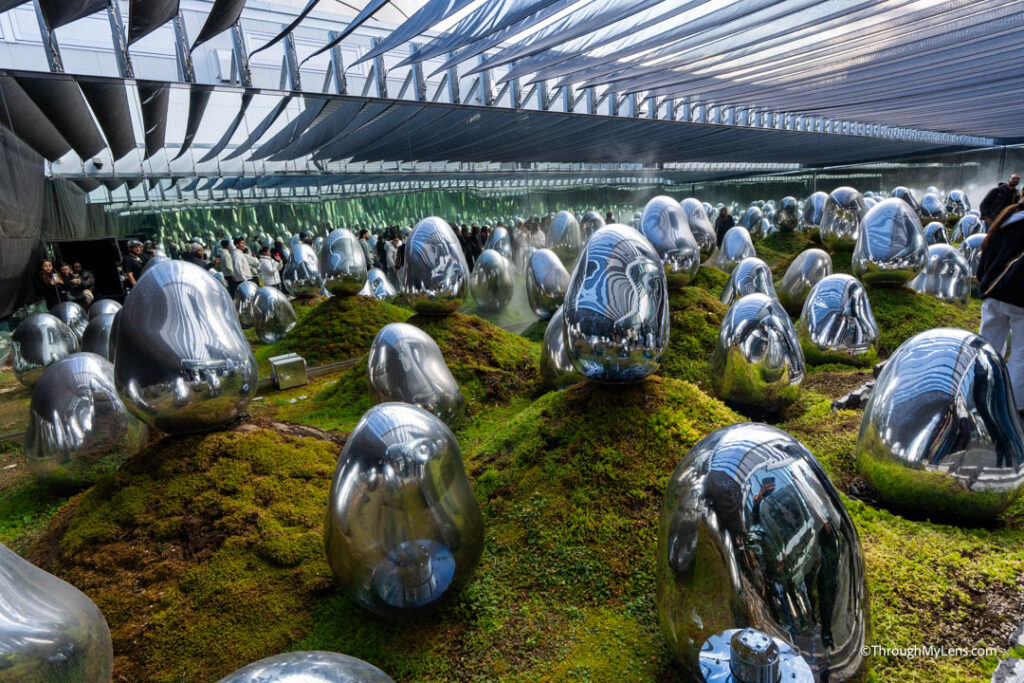
This is not your typical art museum. At teamLab Planets, you explore some exhibits barefoot, often walking through knee deep water or lying down in rooms filled with floating flowers. The “Infinite Crystal Universe” makes you feel like you’re standing in the center of a galaxy, while the “Floating Flower Garden” features over 13,000 living orchids that rise and fall around you.
- Pro Tip: Wear shorts or pants that can easily be rolled up to your knees. You will be walking through water that is roughly 10-12 inches deep in some sections!
Day 2
Tokyo Skytree
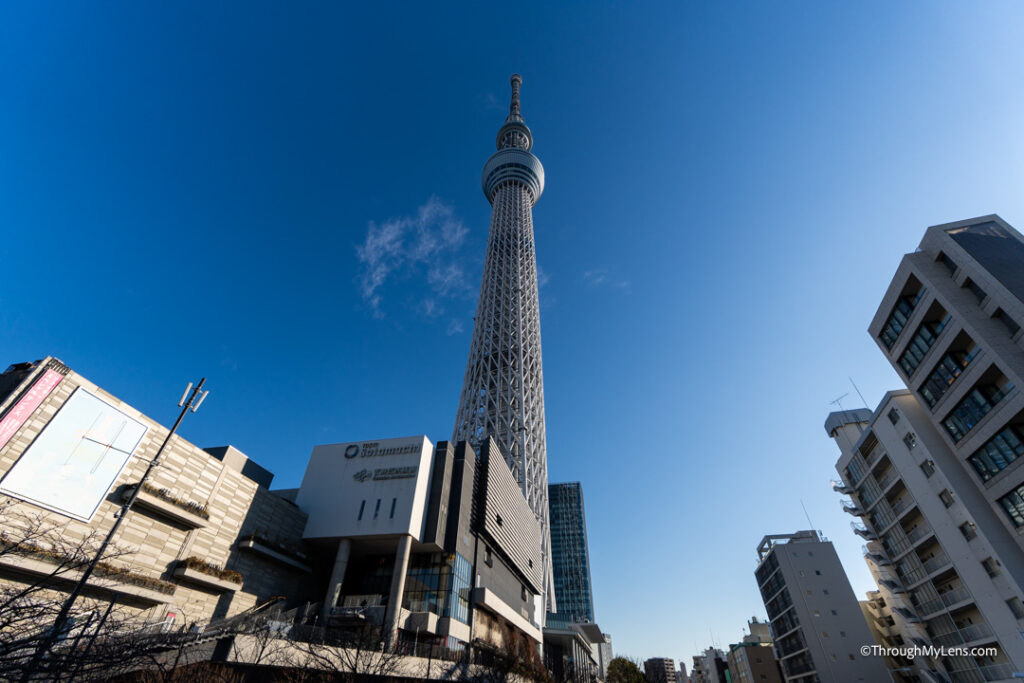
Standing at 634 meters, the Tokyo Skytree is the tallest structure in Japan. The observation decks offer a 360-degree view that, on a clear day, stretches all the way to Mount Fuji. Below the tower sits a massive shopping complex where you can find everything from high end fashion to specialized shops for every Japanese character imaginable.
- Pro Tip: If you want to skip the long lines, you can purchase a “Fast Skytree Ticket” designed for international tourists (bring your passport!) that grants priority entry.
Sushiro (Multiple Locations)
For a quintessentially modern Japanese dining experience, head to Sushiro. While many “conveyor belt” spots are moving toward touchnscreen ordering only, Sushiro remains a titan of the industry, offering a massive variety of nigiri, rolls, and even ramen or tempura. You order from a tablet (available in English), and your plates zip directly to your table on a high speed belt.
- Pro Tip: Download the Sushiro App before you arrive. Popular locations in Shinjuku, Shibuya, and Asakusa can have wait times exceeding two hours during peak dinner service. The app allows you to join a “virtual queue” from your hotel, so you only show up when your number is almost called. It doesn’t always work with American numbers, though.
Ueno Park
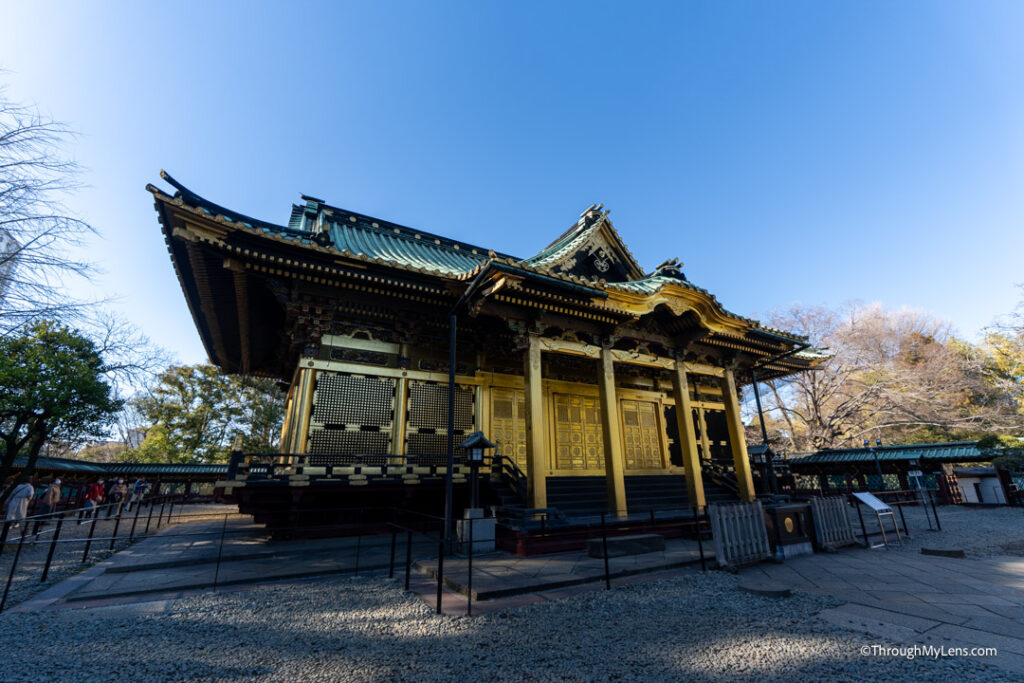
Ueno Park is a massive cultural hub that houses the Tokyo National Museum, the Ueno Zoo, and several beautiful shrines. In the center lies Shinobazu Pond, famous for its vast beds of lotus flowers in summer and migratory birds in winter. It’s one of the best places in the city to slow down and observe local life.
- Pro Tip: Don’t miss Ameyoko Market right next to the park. It’s a vibrant street market where you can find some of the city’s cheapest street food and souvenirs.
Tokyo National Museum (Ueno Park)
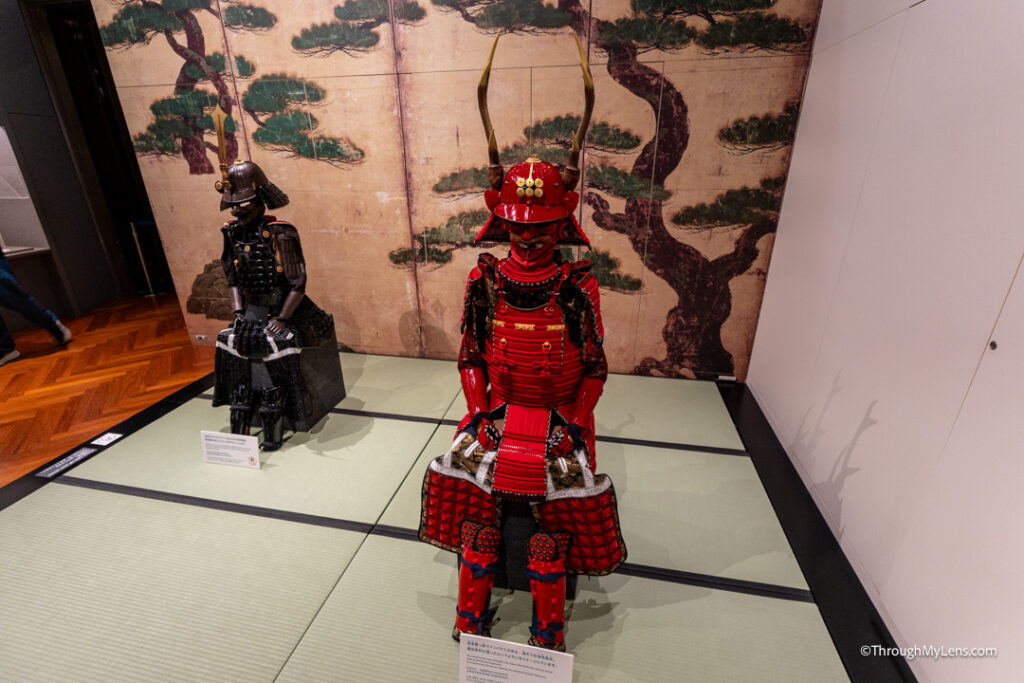
As Japan’s oldest and largest national museum, this is the definitive place to understand the country’s history. The Honkan (Japanese Gallery) takes you on a chronological journey from ancient Jomon pottery (3000 BC) to the exquisite samurai armor and Ukiyo-e prints of the Edo period. The architecture itself is a masterpiece, blending Western-style concrete with traditional Japanese tiled roofs.
- Pro Tip: If you’re short on time, head straight to the 2nd floor of the Honkan building. It houses the “Highlights of Japanese Art” gallery, which curates the most important National Treasures in one place.
The Pokémon Cafe (Nihonbashi)
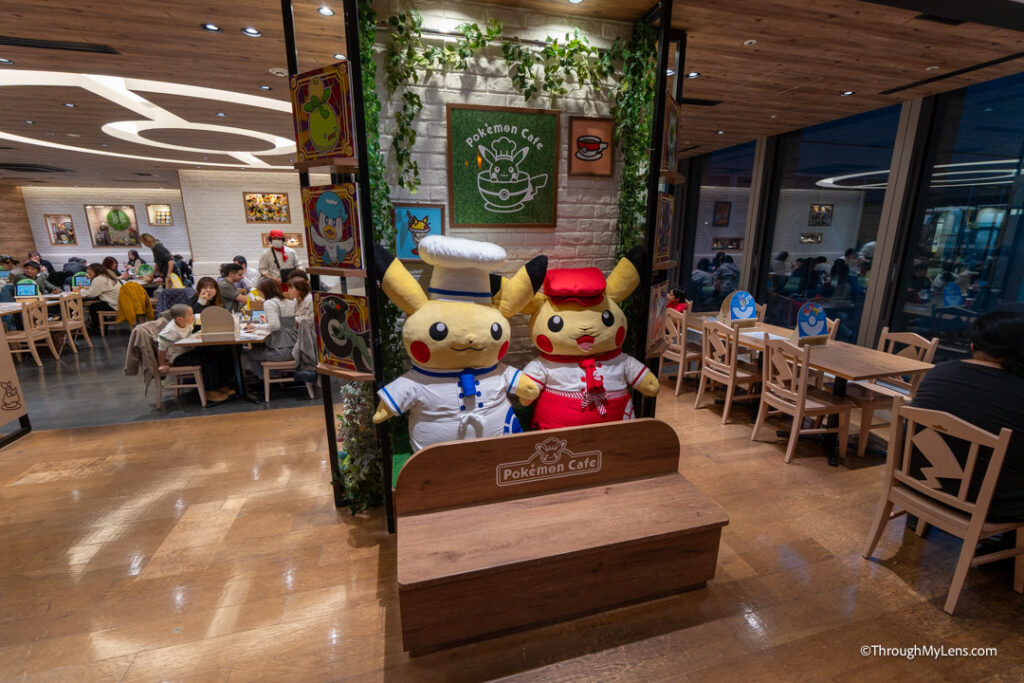
For fans of the franchise, this is a pilgrimage site. Located inside the Takashimaya department store, the cafe serves adorable dishes like Pikachu Curry and Snorlax Meat Platters. The highlight of the meal is often a surprise visit from a dancing Chef Pikachu who puts on a show for the guests.
- Pro Tip: Reservations open exactly 31 days in advance and usually sell out within minutes. Set an alarm and have your browser ready to refresh!
Day 3
Hie Shrine (Akasaka)
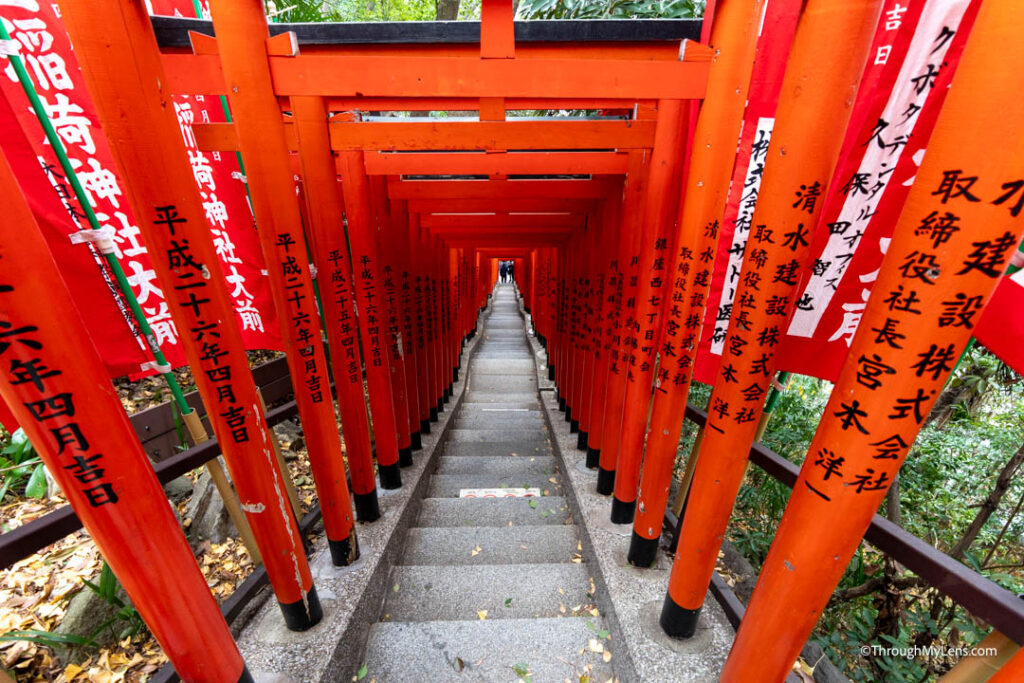
Located on a hilltop in the Akasaka district, Hie Shrine is famous for its stunning tunnel of bright red torii gates. While many tourists flock to Kyoto for this look, Hie Shrine offers a similar, more intimate experience right in the middle of Tokyo’s skyscraper district. It is a powerful juxtaposition of ancient tradition and modern corporate glass.
teamLab Borderless (Azabudai Hills)
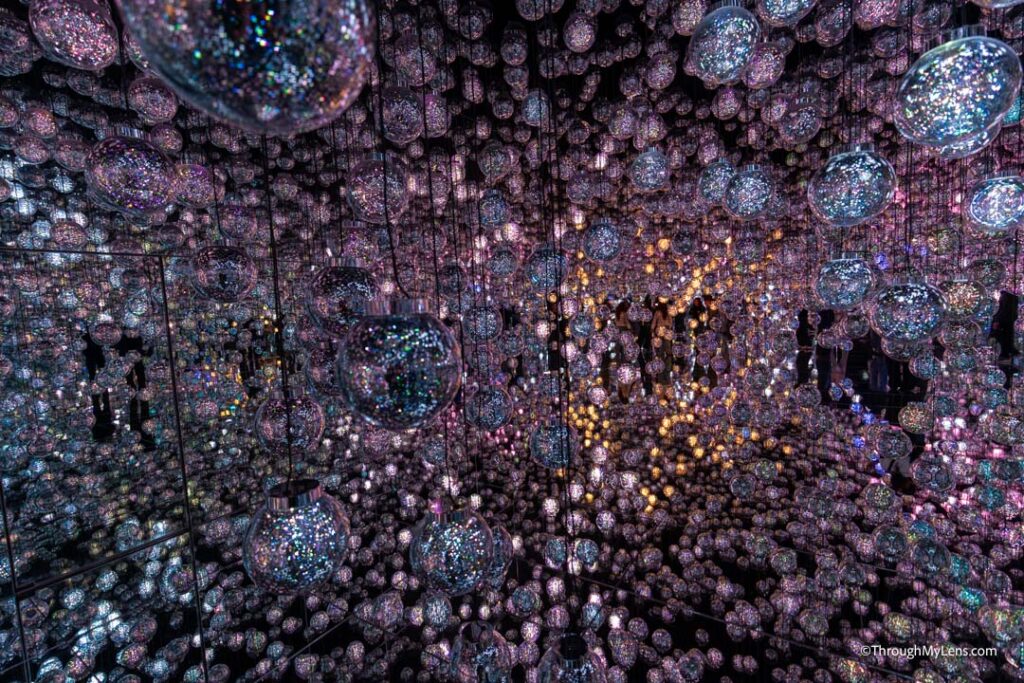
While Planets is about water and gardens, Borderless is about a world without boundaries. The art here moves between rooms, interacting with other artworks and with you. You might see a digital waterfall flow over your feet or a school of fish swim across the walls from one end of the museum to the other.
- Pro Tip: This museum is a literal maze. There is no map, and that is intentional. Give yourself at least 2 hours to wander and “get lost,” you’ll likely find hidden rooms you would have otherwise missed.
Shogun Burger (Shinjuku/Shibuya)
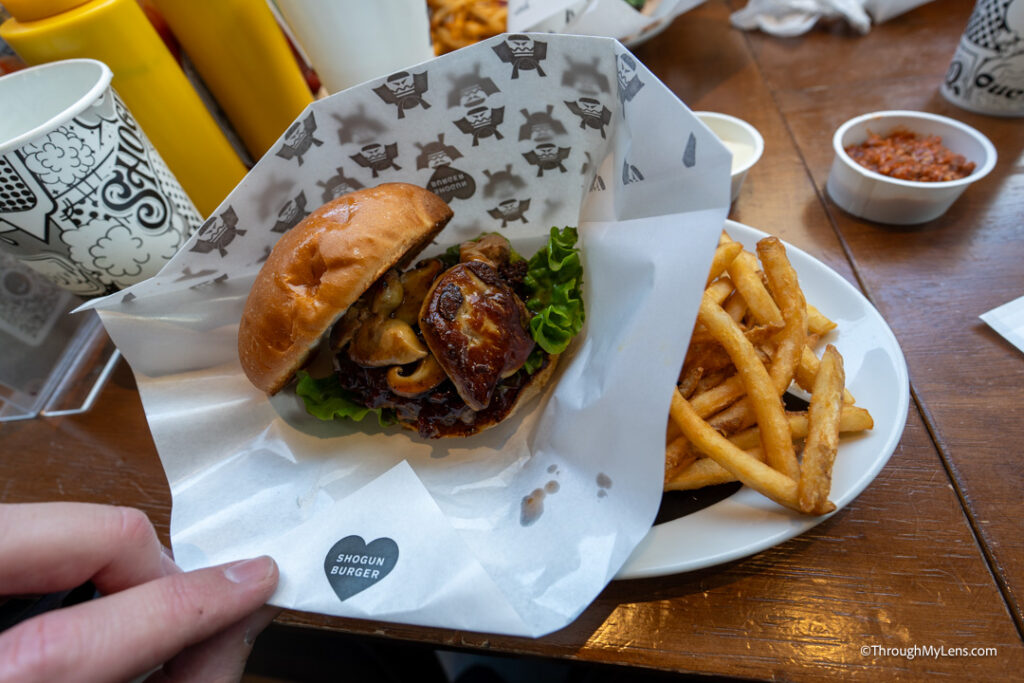
Forget what you know about fast food. Shogun Burger is a gourmet experience that uses 100% Japanese Wagyu beef. The patties are smashed on the grill to create a perfect crust, then topped with unique ingredients like avocado or even fried cheese. The buns are branded with a shogun helmet logo, making them as photogenic as they are delicious.
- Pro Tip: Order the “Triple Cheese Burger” if you’re feeling bold, but don’t skip the “Shogun Fries.” You can also order via their digital kiosks to customize your burger exactly how you like it.
Tokyo Tower
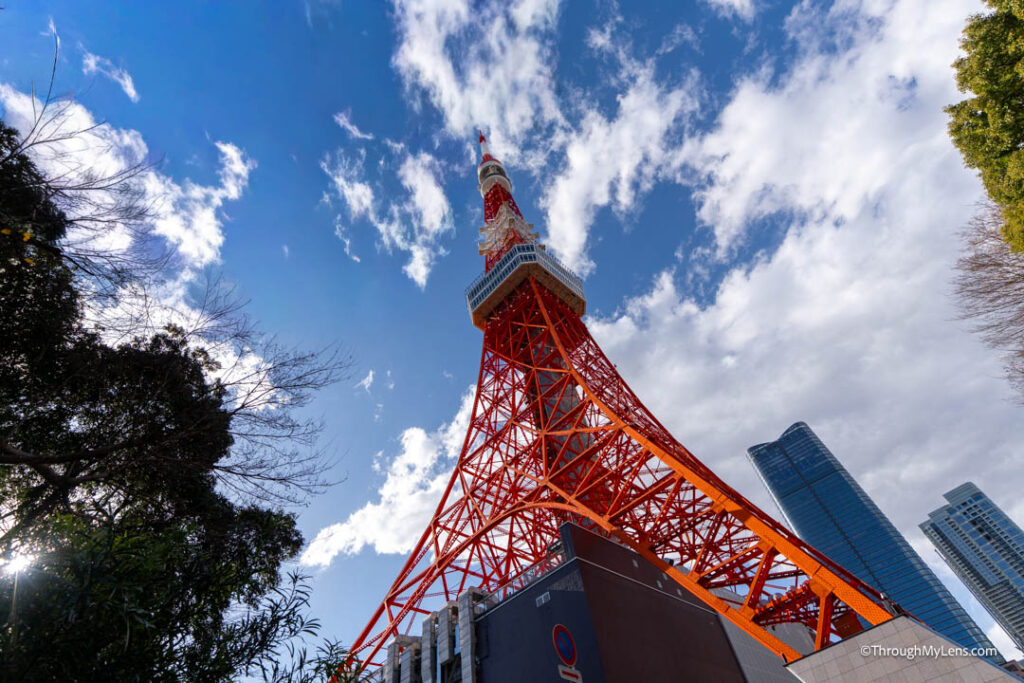
Inspired by the Eiffel Tower but standing slightly taller, the Tokyo Tower is a symbol of Japan’s post war rebirth. While the Skytree is taller, many prefer the view from Tokyo Tower because you are closer to the skyscrapers of Minato and the beautiful Zojo-ji Temple right next door.
Tokyo Metropolitan Government Building: Godzilla Light Show
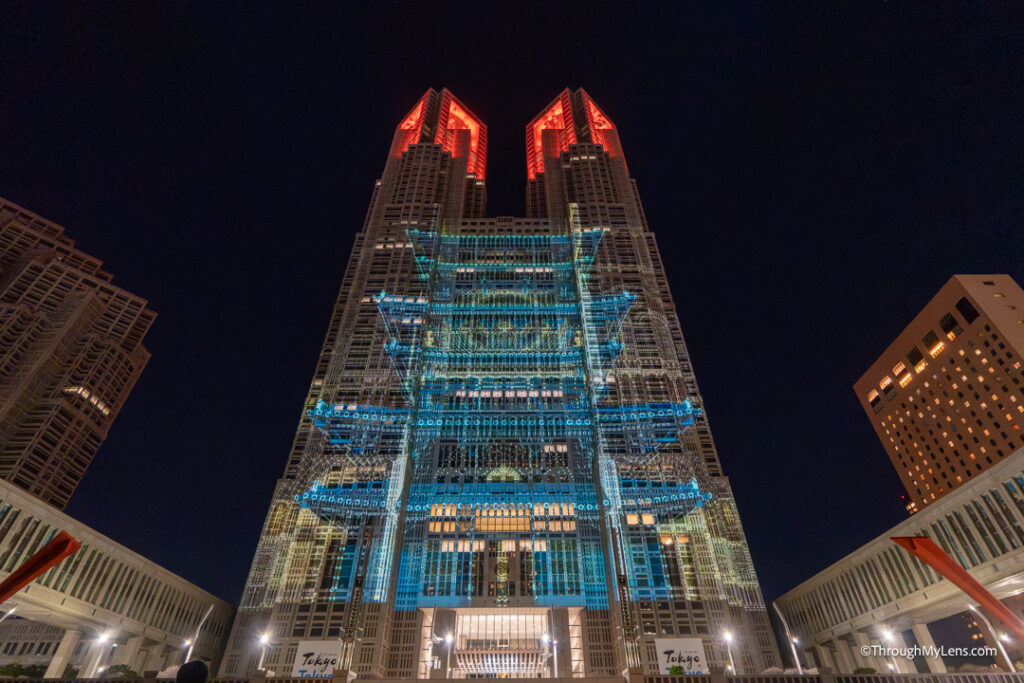
The “Tokyo Night & Light” show at the TMG Building holds the Guinness World Record for the largest permanent architectural projection mapped display. It’s a massive, free spectacle where a 100-meter-tall Godzilla “attacks” the skyscraper, complete with sound effects and dramatic lighting. The Godzilla show is only on the weekends, but there is a show every night.
Omoide Yokocho (“Memory Lane”)
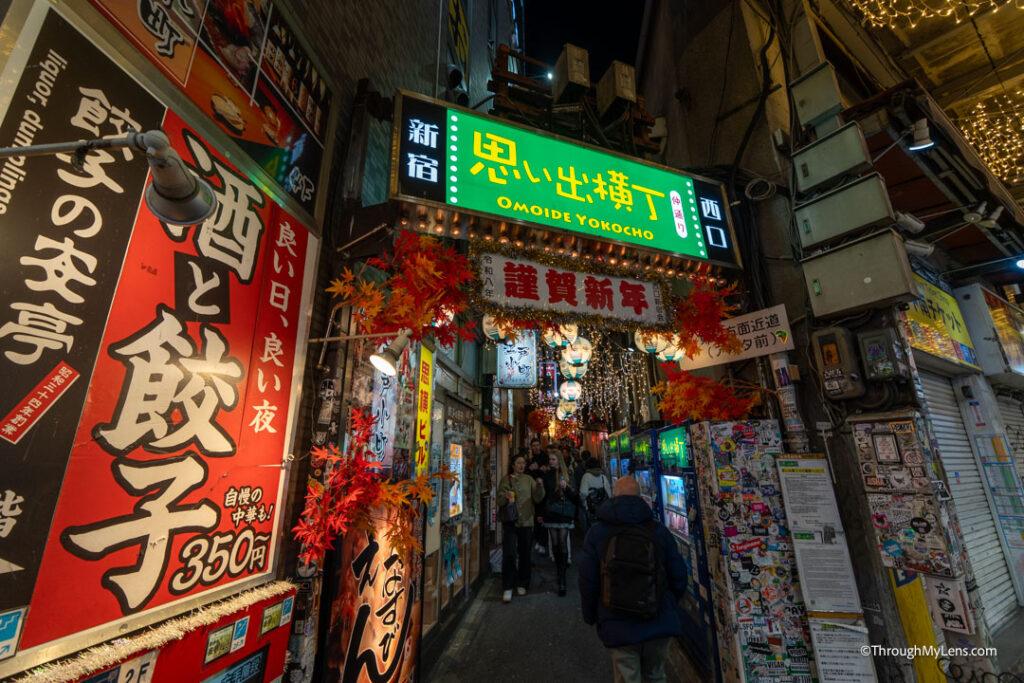
This narrow corridor near Shinjuku Station is a nostalgic portal to the 1940s. It is packed with over 60 tiny izakayas and yakitori stalls, where smoke from charcoal grills wafts through the air, and lanterns glow a warm red. It’s one of the best places in the city to rub elbows with locals over a plate of grilled skewers and a cold glass of Japanese beer.
- Pro Tip: Many stalls have a small “otoshi” (table charge), which usually includes a tiny appetizer. Don’t be surprised by an extra 300–500 yen on your bill; it’s standard for the experience. Also, if the main alley is too crowded, look for the stairs leading to second-floor shops, they are often quieter and offer a cool view of the chaos below.
Godzilla Head (Shinjuku)
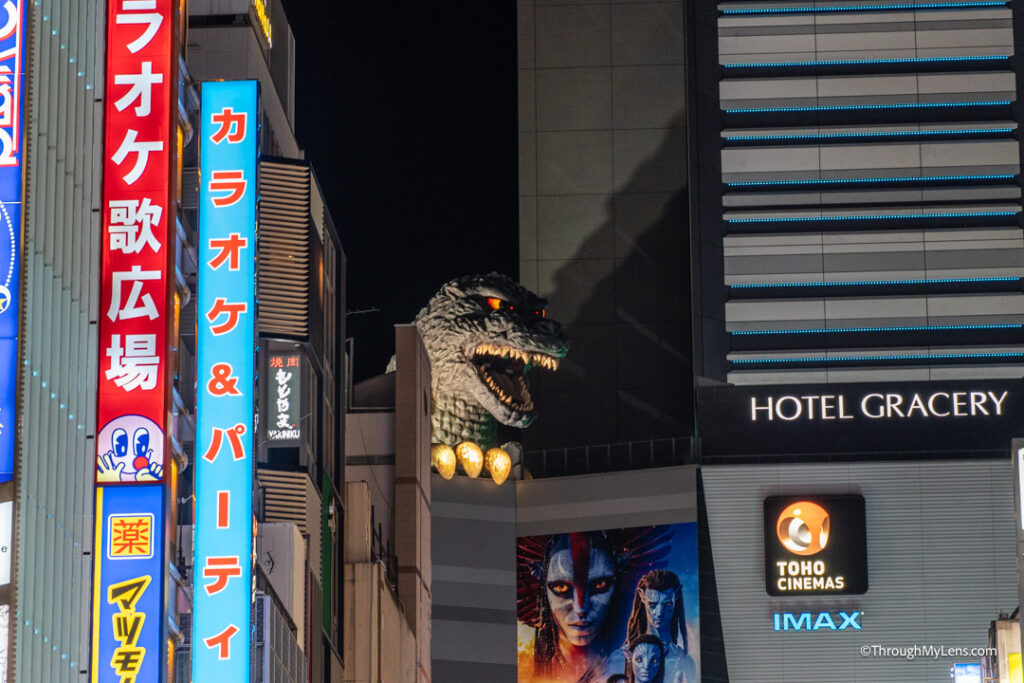
Looming over the Toho Cinema in Shinjuku’s Kabukicho district, this life sized Godzilla head is a tribute to the “King of the Monsters.” Every hour on the hour, the beast roars and blows smoke (steam) from its mouth as music from the films blasts through the street.
- Pro Tip: You can get a closer look by visiting the Cafe Terrace Bonjour inside the Hotel Gracery. It’s the only place where you can actually stand right next to the giant head.
Day 4: The Famous Scramble & Hidden Alleys
Shibuya Crossing & Shibuya Sky
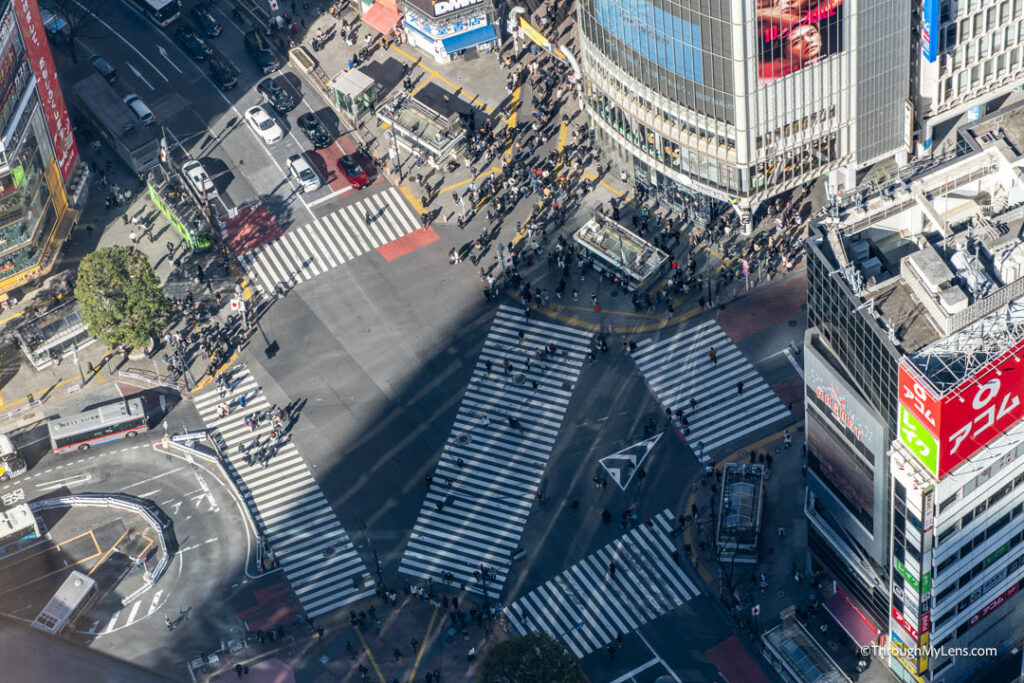
Shibuya Crossing is the quintessential Tokyo image, with thousands of people crossing from all directions at once. To get the best perspective, head up to Shibuya Sky, an open-air observation deck on top of the Shibuya Scramble Square building. The “Sky Edge” corner provides a glass walled view that makes it look like you’re floating over the city.
- Pro Tip: Book your Shibuya Sky tickets about 45 minutes before sunset. This allows you to see the city in daylight, during the “golden hour,” and as the neon lights flicker on at night. They are popular though and often sell out way in advance.
Pepper Parlor (Shibuya)
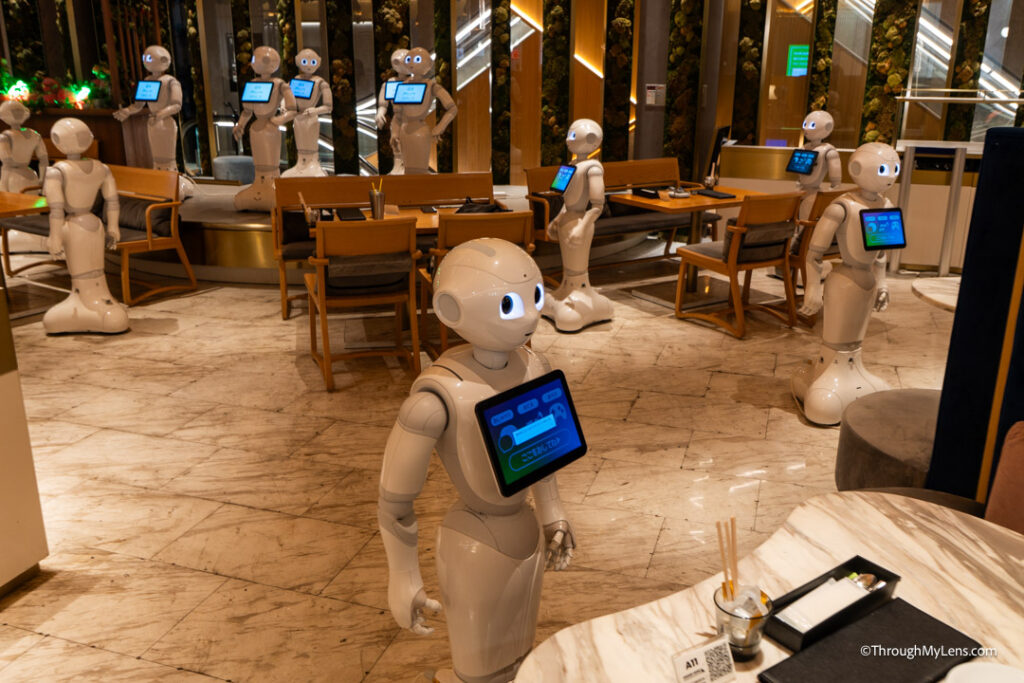
Located in the Shibuya Fukuras building, Pepper Parlor is a futuristic cafe where humans and robots work together. You are greeted by “Pepper,” the humanoid robot, who can take your order or even play mini games with you. Once you’re seated, “Servi” robots deliver your food, and at night, the atmosphere shifts into a lounge vibe where you can enjoy high end ramen and cocktails while the robots perform choreographed dances.
- Pro Tip: If you want the full experience, request a “Pepper Seat.” This guarantees that a Pepper robot will be stationed specifically at your table to chat, dance, and entertain you while you eat. It’s a great way to guarantee some solo time with the tech without feeling rushed.
Nintendo Tokyo Store
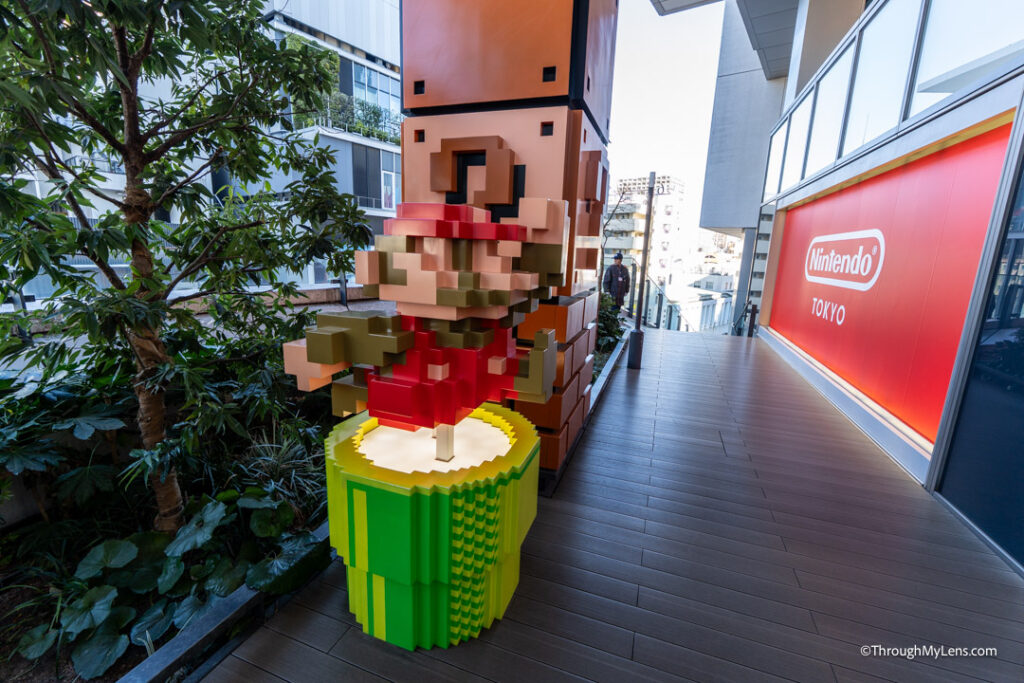
Located in the Shibuya Parco building, this was the first official Nintendo store in Japan. It’s a paradise for fans of Mario, Zelda, and Animal Crossing, featuring exclusive merchandise you can’t get anywhere else. The store is right next to a Pokémon Center and a Jump Shop (for anime fans), making this floor a “geek culture” trifecta.
- Pro Tip: On busy days, the store uses a numbered ticket system for entry. Head to the ground floor entrance of Parco early in the morning to grab your time slot ticket before they run out.
Yoyogi Park & Meiji Jingu
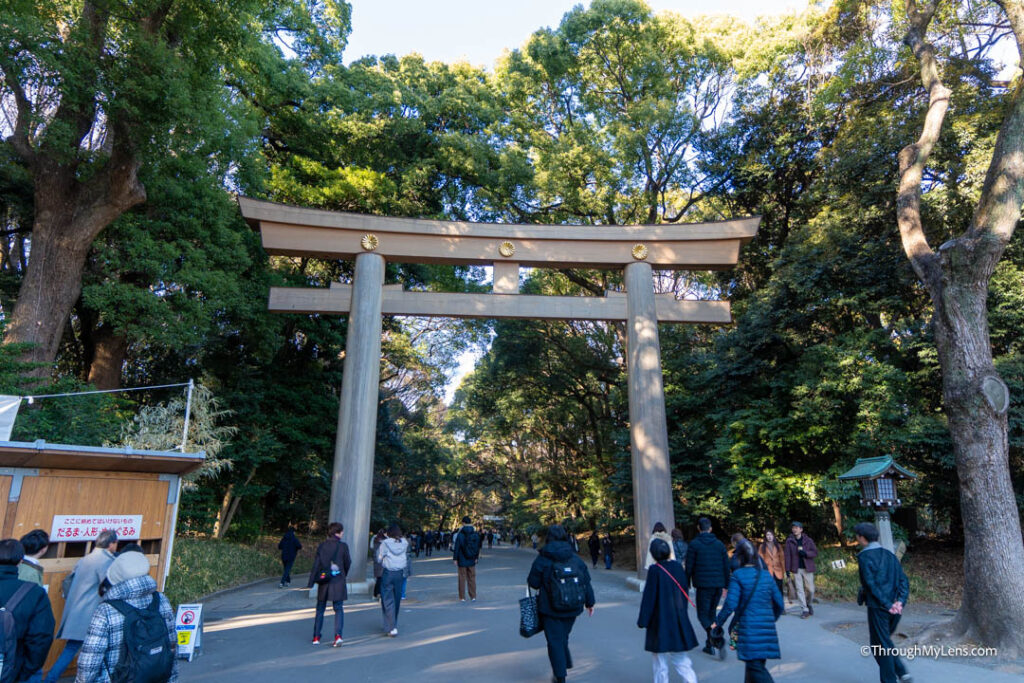
After four days of neon and noise, Yoyogi Park is the perfect palette cleanser. A short walk through the massive wooden torii gates leads you into a 170-acre forest in the middle of the city. At the center is Meiji Jingu, a Shinto shrine dedicated to Emperor Meiji. It is remarkably quiet, with only the sound of crunching gravel and birds to keep you company.
Quick Tips for Your 4-Day Trip:
- Get a Suica Card: Save yourself the hassle of buying individual train tickets. Add it to your Apple or Google Wallet for seamless travel before you get to Tokyo.
- Stay Near a Major Station: Staying in Shinjuku or Shibuya will save you hours of transit time because they are hubs for almost every major line.
- Wear Comfortable Shoes: This itinerary covers a lot of ground, and the Through My Lens team averaged over 20,000 steps a day!
Video
Want more spots to visit? Check out the video we made on our 4 days below.
Which of these Tokyo spots is at the top of your bucket list? Let us know in the comments below!